Selecting the correct Personal Protective Equipment (PPE) isn’t just a box to tick; it’s about preserving lives and business continuity. In an industrial environment the risks can range from chemical exposure to falling objects. Smart PPE decisions have a direct impact on the level of protection and compliance with safety requirements of workers.
Safety starts with a proactive approach, meaning identify the threats in the workplace before you even look at equipment. Construction and manufacturing are only a couple of the industries that have their own specific issues and need safe solutions that are designed for them. The aim is always to reduce risk to a level that is tolerable.
What Are the Main Types of Industrial PPE?
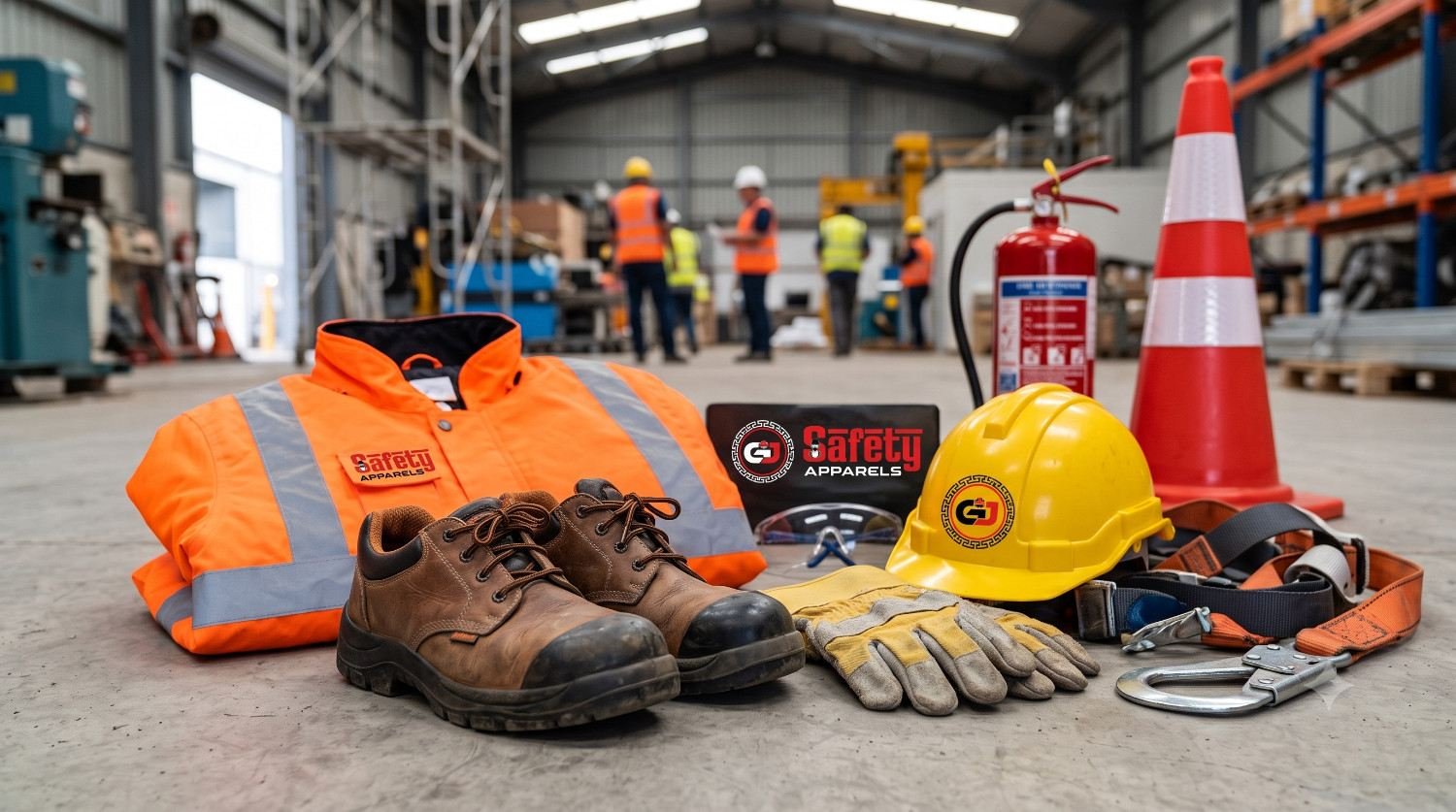
Industrial PPE is broken down into several basic forms, each designed to protect a specific region of the body. For example, hard hats are a type of head protection, protecting from harm from falling debris or from striking against stationary objects. Damage can result from flying particles, chemical splashes, and strong light, thus eye and facial protection such safety glasses, goggles and face shields, is vital.
If noise levels are high, hearing protection (ear plugs or earmuffs) is needed to prevent permanent hearing loss. Respiratory protection (respirators, masks) filters out dangerous pollutants from the air. Respiratory protection is vital in the presence of dust, fumes, or gasses. Hand protection, ranging from general-purpose gloves to specialized chemical or cut-resistant gloves, protects against abrasions, punctures, and chemical burns. Finally, foot gear (typically safety-toed boots) guards against impact, compression, and electrical risks.
How do I evaluate workplace hazards to choose PPE?
The first step in picking the correct PPE is to perform a full danger assessment. This is an exercise to determine all possible risks in a certain work location. Think of short-term and long-term risk. For example, in construction safety, there are hazards from falling objects from overhead work and hazards from bright light and heat during welding operations.
Begin by examining the duties, speaking to the personnel, and studying accident reports. Look for chemical exposures, sources of impact, possibility for cuts or abrasions, noise levels, and respiratory dangers. If a hazard is detected, determine the severity and likelihood of the hazard.
This comprehensive strategy guarantees that no major protective necessity is overlooked. Documentation of the assessment for compliance and future review is also necessary.
Which industries demand specific PPE when?
And beyond the fundamentals, several sectors demand PPE for specific duties unique to their profession. In marine safety, for example, everyone working near or above water must wear personal flotation devices (PFDs). If you operate with dangerous substances you require chemical protective equipment and respirators with appropriate cartridges.
When working with insecticides or with machines that could throw projectiles, agriculture safety requires appropriate gloves and eye protection. Firefighters use highly specialized turnout gear for fire safety. This gear provides thermal protection, puncture resistance, and visibility in harsh conditions. These are specialist, non-interchangeable goods and must be selected to match precisely the specific hazards in the work environment.
When contemplating industrial safety solutions, it is vital to have a comprehensive grasp of the threats on site and the safety equipment accessible. It’s a never-ending cycle of assessment, selecting, teaching, and reassessment. Wearing the appropriate PPE is not only a legislative necessity but, most significantly, a step toward a culture where worker safety comes first.